Coverage explained
Commercial Auto Insurance: Coverage, Costs & Requirements
Prepare to compare commercial auto policies by identifying vehicles, drivers, business use, coverage terms and applicable state or motor carrier requirements.
At a glance
- Who needs it
- Businesses reviewing owned, rented or other vehicles used for work
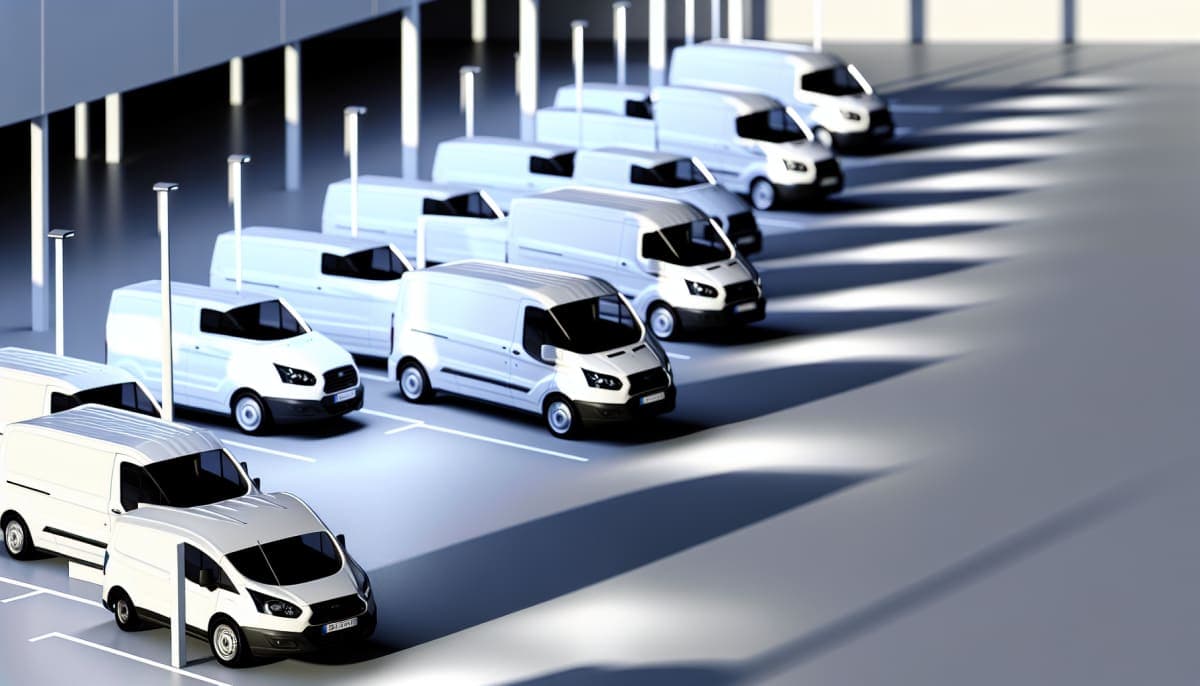
Commercial auto insurance is a category of coverage for vehicles used in business. The useful starting point is a description of who owns the vehicle, who drives it and what work it does. A delivery van, an employee's car used for appointments and a rented truck can raise different insurance questions even when they serve the same company.
The NAIC explains that personal and business auto policies have similar coverage categories but may differ in their treatment of business use, rented vehicles and employee-owned vehicles. Do not assume either that every business trip is excluded from a personal policy or that any commercial policy automatically covers every driver and vehicle. The actual application, declarations, forms and endorsements matter. NAIC auto insurance overview.
This guide is educational. Sources were checked September 6, 2026. It does not determine your legal requirements, quote a premium or promise payment for a claim.
What commercial auto coverage can address
Use these categories to ask what a proposal includes. Not every coverage is included by default, and available terms depend on the policy and jurisdiction.
| Coverage topic | What to ask the provider |
|---|---|
| Liability | Which insured people and entities receive protection for covered injury or property-damage claims? How are defense costs treated? |
| Collision | Which vehicles are scheduled, how are losses valued, and what deductible applies? |
| Comprehensive or other-than-collision | Which non-collision events are covered, and what exclusions or limits apply? |
| Medical payments or personal injury protection | Which benefit is offered or required in the relevant state, and who is eligible? |
| Uninsured and underinsured motorists | Which people, vehicles and loss types are protected, and what selections or rejection forms apply? |
| Hired vehicles | Does the proposal address liability and damage to rented vehicles, and under what conditions? |
| Non-owned vehicles | What protection does the business receive when an employee or other person uses a vehicle the business does not own? |
For background on liability, collision and comprehensive coverage, the California DOI auto guide explains the basic distinctions. It is a California consumer reference; commercial policy forms and another state's requirements must be reviewed separately.
Read limits and deductibles together
Illustration only: A proposal might show a $1 million combined single liability limit, while another shows separate bodily injury and property-damage limits. The same large number on the first page does not establish that the policies work the same way. Ask the issuer to explain the applicable limit for a single person, a single accident and each relevant coverage.
Record physical-damage deductibles separately from liability limits. Ask how the insurer values a totaled vehicle, whether permanently installed equipment is addressed, and what happens to a loan or lease balance. A price comparison is incomplete if those answers are missing.
Personal auto versus commercial auto: disclose the actual use
Avoid choosing a policy solely from the vehicle's appearance or how often it is driven. Prepare a description that includes:
- The legal owner or lessee and any lender.
- Business and personal uses, including occasional activities.
- Every expected driver and their relationship to the business.
- Deliveries, passenger transport, towing or work for hire.
- Cargo, trailers, equipment and any unusual modifications.
- Garaging locations, travel areas and cross-border trips.
Send the same description to each provider. Ask whether its proposed policy accepts that use and which restrictions must be followed. Keep the response with the application so an uncertain point does not disappear between a sales conversation and policy issuance.
Hypothetical example: A consultant uses a personally owned car for client visits and occasionally sends an employee to collect supplies. The question is not simply “personal or commercial?” Ask whose liability is insured, how each policy treats the work use, whether the employee's vehicle is included, and whether the business needs separate non-owned coverage. The answers require the relevant policy wording.
For rideshare work, the status of the app and trip can matter. The NAIC describes different periods before a request, after acceptance and during a ride, and notes the existence of endorsements and combined products. Delivery or other platform work must also be disclosed accurately rather than assumed to follow the same policy terms. NAIC commercial ride-sharing overview.
Hired and non-owned vehicles deserve their own review
A business can have an auto exposure without owning a fleet. A staff member might rent a car for a work trip, use a personal car for errands or borrow a vehicle to transport equipment.
The NAIC describes commercial policies that may include provisions for rented and other non-owned vehicles. “May include” is the key limitation: identify the coverage actually offered rather than relying on the label. NAIC small business insurance guide.
Useful questions include:
- Is the business protected, the driver protected, or both?
- Is damage to the vehicle itself included, or only liability to other people?
- How do other policies respond, and is this coverage primary or excess?
- Are owners, partners, household vehicles, long-term rentals or regularly available vehicles treated differently?
- Are there restrictions involving delivery, passengers, geography or vehicle size?
- What evidence should the business retain before a trip or rental?
Do not treat hired/non-owned liability as automatic reimbursement for an employee's damaged car. Ask the issuer to address that scenario directly.
How much does commercial auto insurance cost?
We do not have a verified premium dataset that can predict the cost of your vehicle, state and operation. A broad “typical” price can hide differences in drivers, limits, deductibles, use, claims and underwriting eligibility. Use current proposals for your actual business rather than an unsupported national range.
Build a comparison worksheet with these columns:
| Item | Why the answer matters |
|---|---|
| Insurer and named insured | Confirms who issues the contract and which business is covered |
| Vehicles, drivers and operations | Makes discrepancies between proposals visible |
| Coverage limits and deductibles | Shows whether prices reflect the same protection |
| Forms, endorsements and exclusions | Identifies wording that changes the offer |
| Premium, fees and payment terms | Separates the quoted insurance price from other charges |
| Conditions before binding | Records unresolved application or underwriting questions |
| Changes and claims reporting | Clarifies ongoing responsibilities after purchase |
If one quote is cheaper, first ask which assumptions or terms differ. Ask about safety programs, driver training, vehicle security, telematics or payment choices if they are relevant, but do not assume a specific discount. Obtain the actual offer and understand any conditions attached to it.
The business insurance buying guide provides a broader process for comparing insurance proposals.
State and motor carrier requirements are different checks
Auto insurance is regulated at the state level, and requirements are not identical everywhere. A general state minimum table does not establish the rules for every commercial vehicle, passenger operation, cargo type or contract. Use the state requirements checklist to organize the issues you need to verify.
California example, with a limited scope: California DOI's notice says standard auto liability minimums increased as policies renewed from January 1, 2025 to $30,000 per person and $60,000 per accident for bodily injury or death, plus $15,000 for property damage. Its notice identifies different limits for the California Low Cost Auto program. These figures are not a nationwide commercial rule, a motor carrier determination or a limit suited to your business. California DOI auto changes notice.
FMCSA separately explains that insurance filing requirements depend on the entity, operating authority, cargo and vehicle type. A carrier seeking operating authority should identify its exact registration category and applicable filings. Do not assume that an ordinary business auto policy or a generic liability number satisfies those obligations. FMCSA insurance filing requirements.
For a multistate business, record where each vehicle is based and used. Ask the provider to explain territorial provisions and state-specific endorsements, and confirm any registration or permit obligations with the appropriate agencies. Do not assume that driving across a state line automatically adjusts every coverage or satisfies every filing requirement.
Scenario checklist for a useful coverage conversation
These are hypothetical questions, not predictions of claim payment:
- A delivery driver hits another vehicle. Which drivers and delivery activities are insured, and what reporting duties apply?
- A rental truck is damaged. Does the proposal address the business's liability, damage to the rental, contractual charges and any deductible?
- Tools are stolen from a work van. Which policy treats the portable tools or cargo, and how is any permanently installed equipment handled?
- An employee uses a personal car for an urgent errand. What business and driver protections apply, and how do the policies interact?
- A truck is unavailable after a loss. Is rental reimbursement, downtime or another interruption-related expense included, and under what conditions?
- A new driver or vehicle is added. What notice, acceptance and documentation are needed before use?
Take specific scenarios to a licensed professional and ask for references to the relevant forms. If the answer depends on another policy, add that policy to the comparison rather than assuming the auto contract fills the gap.
Frequently asked questions
Does a commercial auto policy cover every employee who has permission to drive?
Do not assume so. Ask about driver schedules, eligibility, exclusions and reporting requirements. Permission from the business does not itself establish insurance coverage.
Can a single-vehicle business use this checklist?
Yes. The same questions about ownership, use, drivers and terms are useful for one vehicle or a fleet. Ask providers which products they offer for your actual operation; this guide does not establish acceptance by any insurer.
Is a certificate of insurance enough to verify the coverage?
Request the policy documents and any required endorsements. A certificate or proposal summary cannot answer every question about insured status, exclusions, limits or how a claim would be treated. Use the policy-reading guide to organize that review.
Should I avoid reporting a small claim to keep premiums down?
Follow the policy's notice and cooperation requirements and ask the insurer or agent about the correct reporting process. Do not use an online savings suggestion as a reason to delay required notice. The financial impact of a claim depends on circumstances this guide cannot assess.
Does requesting follow-up here put insurance in place?
No. A request does not provide a quote or bind coverage. PolicyBenchmark follows up on your questions and, with your permission, may share your request with insurance companies, licensed agents or brokers where one is available. Start with the business insurance assessment if you want to organize other coverage topics first.
About this article
- Published by
- PolicyBenchmark Editorial Team
- Published
- Updated
This content is for informational purposes only and does not constitute insurance advice. Always consult with a licensed insurance professional before making coverage decisions.